
Package Deals vs. Booking Each Part Separately: A Cost Comparison

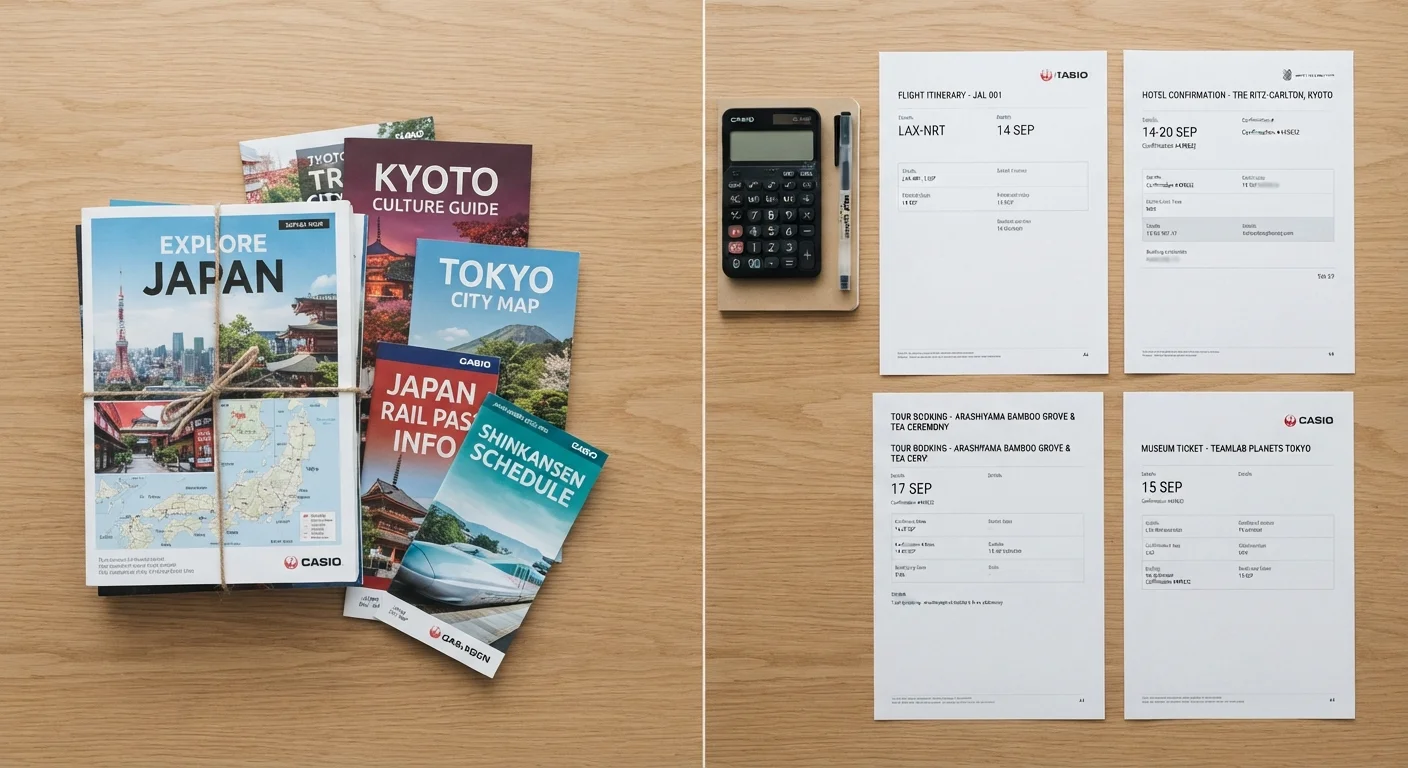
Photo: SmartGlobetrotter.net editorial
Key Takeaways
- Package deals sometimes cost less, but the savings depend heavily on destination, season, and flexibility.
- Booking separately gives you more control over flight times, hotel quality, and cancellation terms.
- The real comparison requires pricing out each component individually before accepting a bundled quote.
- Hidden fees in packages, such as resort fees or mandatory transfers, can close any apparent price gap.
- Seniors and travelers with specific needs may find itemized booking easier to customize.
What each approach actually includes
A travel package bundles two or more components, typically a flight and hotel, sometimes with a rental car or airport transfers, into a single transaction at one price. The operator or platform negotiates rates with suppliers in bulk, which can produce a lower combined price than buying each piece on the open market.
Booking separately means purchasing each component through the airline, hotel, and any other supplier directly or through individual platforms. You set the terms for each booking, choose your exact flight times and seat class, pick the specific hotel room type, and manage cancellations independently for each piece. Booking direct versus using a travel platform involves its own trade-offs worth understanding before you commit to either path.
When packages tend to cost less
Package pricing is most competitive on high-volume leisure routes: think beach resorts in Mexico or the Caribbean, European city pairs popular with American tourists, and all-inclusive properties that sell rooms in large blocks to tour operators. On these routes, operators pass part of the bulk discount to the buyer.
The savings also depend on timing. Packages assembled well in advance or at the last minute, when operators need to move unsold inventory, sometimes undercut itemized prices. Mid-range booking windows, four to eight weeks out on busy routes, often narrow the gap.

One structural reason packages can look cheaper is that the price is displayed as a single number, which makes it harder to compare line by line. That is useful for simplicity but worth examining carefully. Overlooked expenses that inflate vacation costs include resort fees and mandatory transfers that some packages embed in fine print rather than the headline price.
When booking separately costs less or works better
If you hold points or elite status with an airline or hotel chain, applying those benefits to individual bookings can produce lower net costs than any package. A free night certificate or a companion fare, for example, has no equivalent inside a bundled deal.
Itemized booking also lets you mix fare classes. You might book a basic economy flight where the restrictions suit your plans, then choose a hotel with free cancellation. Packages bundle both under one policy, and cancellation terms for the whole package are often stricter than what you would get booking the hotel alone.
| Factor | Package deal | Booking separately | |
|---|---|---|---|
| Upfront price | Often lower headline number | Sum of individual components | |
| Price transparency | Single figure, harder to verify | Each cost visible independently | |
| Cancellation flexibility | Single policy covers all components | Each booking has its own terms | |
| Loyalty points | Reduced or no earning on some platforms | Full earning on direct bookings | |
| Property or flight choice | Limited to contracted inventory | Full market available | |
| Hidden fees risk | Resort fees may be embedded | Fees visible per booking | |
| Customization | Low | High |
For travelers with specific accommodation preferences, such as a particular neighborhood, a property with accessible rooms, or a hotel that earns points toward a future stay, packages frequently do not offer the right inventory. The properties included in packages are those the operator has contracted, not the full market. Understanding trip cost factors every American traveler should know helps you see which variables matter most for your itinerary.
How to run an honest comparison
Start by pricing the package as quoted. Then price each component separately: flight, hotel for the same dates and room type, and any included transfers or extras. Add baggage fees to the flight price if the package includes checked bags. Check the hotel's direct rate against what the package shows, since hotels sometimes offer lower rates or added perks for direct bookings.
Compare cancellation and change policies side by side. A package that saves $80 but carries a $200 change fee carries more financial risk than two separately booked, fully refundable components.
Build a side-by-side price sheet
Finally, account for any loyalty points you would earn or lose. Bookings through package operators sometimes earn fewer points than direct purchases, which affects the long-term value of the transaction. For a full framework on building out these numbers, see budgeting for a trip from start to finish.
This article is for general informational purposes only. Prices, availability, and terms vary by provider and change frequently. Verify all costs and conditions directly with providers before booking.
The content provided on our blog site traverses numerous categories, offering readers valuable and practical information. Readers can use the editorial team’s research and data to gain more insights into their topics of interest. However, they are requested not to treat the articles as conclusive. The website team cannot be held responsible for differences in data or inaccuracies found across other platforms. Please also note that the site might also miss out on various schemes and offers available that the readers may find more beneficial than the ones we cover.