
Collision vs. Comprehensive Coverage: Knowing When Each One Applies

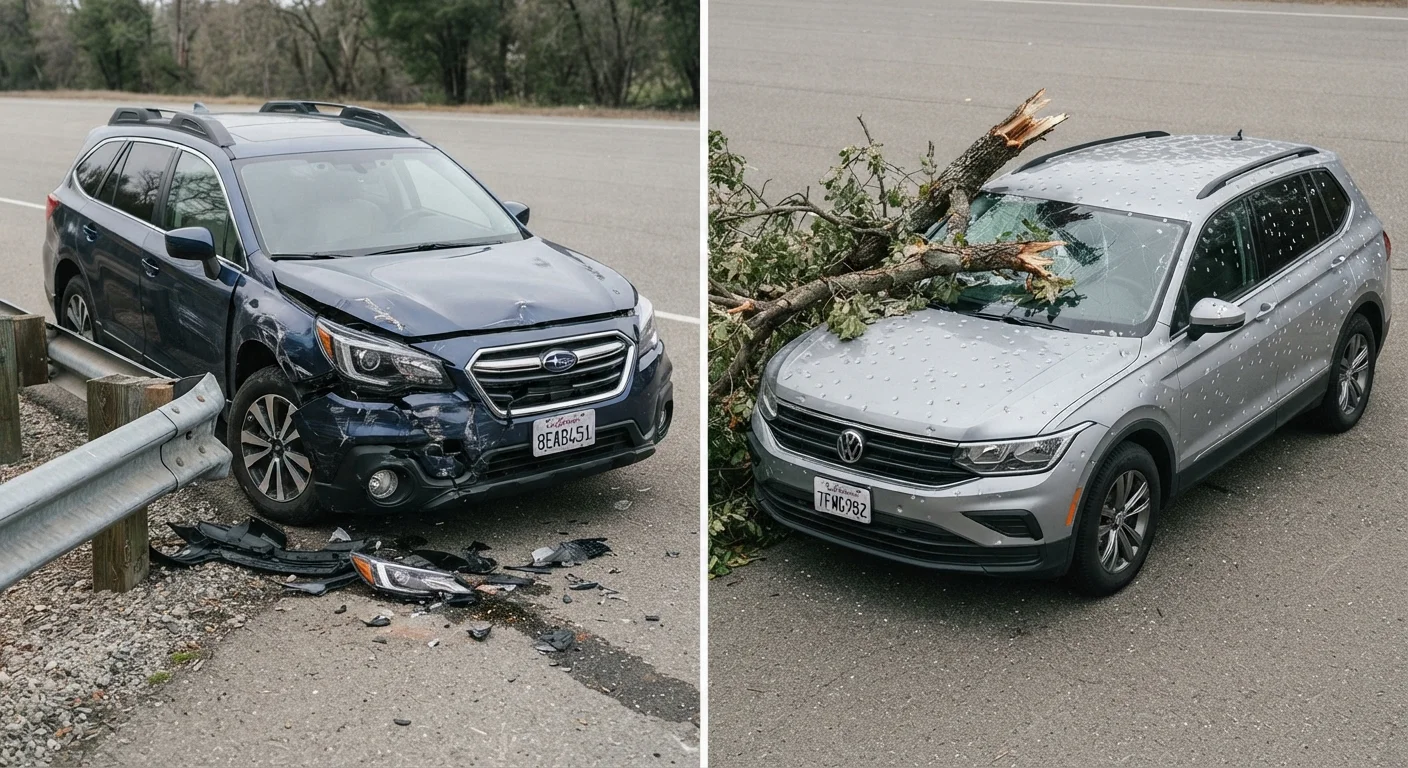
Photo: SmartGlobetrotter.net editorial
Key Takeaways
- Collision coverage pays for damage your vehicle sustains in a crash with another car or object.
- Comprehensive coverage pays for non-collision events such as theft, fire, hail, and animal strikes.
- Both coverages carry a deductible, which is the amount you pay out of pocket before the insurer pays.
- Lenders and leasing companies commonly require both coverages on financed or leased vehicles.
- Neither coverage pays for injuries to you or other people; separate coverage types handle medical costs.
What each coverage type actually does
Collision coverage and comprehensive coverage both pay to repair or replace your vehicle, but they respond to entirely different situations. Getting the distinction right matters when you are deciding which coverages to carry and how to structure your deductibles.
Collision coverage applies when your vehicle makes physical contact with another car, a guardrail, a telephone pole, or any other object. The cause is a physical impact, whether you are at fault or not. If you back into a post in a parking lot or get hit by another driver who flees the scene, collision is the coverage that responds for your vehicle's damage.
Comprehensive coverage applies when something happens to your car that is not a collision. The industry sometimes calls this "other than collision" coverage. It covers theft, vandalism, fire, flooding, hail, falling objects, and damage caused by hitting an animal. A deer strike on a highway, for example, is a comprehensive claim, not a collision claim, even though the vehicle strikes something.
Neither coverage pays for injuries to you or passengers. Medical costs after an accident are handled by separate coverage types such as Personal Injury Protection (PIP) or Medical Payments coverage. See how PIP and MedPay differ for a breakdown of those options.
How deductibles and payouts work
When you file a claim under either coverage, you pay your chosen deductible first, and the insurer pays the remaining eligible repair or replacement cost up to the vehicle's actual cash value (ACV). ACV accounts for depreciation, so it reflects what your car is worth at the time of the loss, not what you originally paid.
Deductibles affect your out-of-pocket cost
If repair costs exceed the vehicle's ACV, the insurer may declare the car a total loss and pay you the ACV instead of funding repairs. In that situation, your deductible still applies.
The amount you set for your deductible on each coverage can be different. Some drivers carry a lower deductible on collision (because collision events tend to produce higher repair bills) and a higher deductible on comprehensive (because comprehensive events, such as a cracked windshield, may involve smaller costs). Weigh that tradeoff against the premium difference before deciding. Understanding how insurers price premiums can also help you see how coverage choices fit into the broader cost picture.
When you are required to carry both
State laws do not require collision or comprehensive coverage. Most states mandate only liability coverage. However, if you finance your vehicle through a lender or lease it, the lender or lessor almost always requires both collision and comprehensive for the life of the loan or lease. This protects their financial interest in the vehicle.
Once you own the vehicle outright, the decision is yours. At that point, many drivers weigh the vehicle's current market value against the annual cost of the premiums plus the deductible. If that combined amount approaches or exceeds what the insurer would pay out in a total loss, dropping one or both coverages becomes a reasonable consideration. This decision involves financial risk, so it is worth thinking through carefully and potentially discussing with a licensed insurance agent.
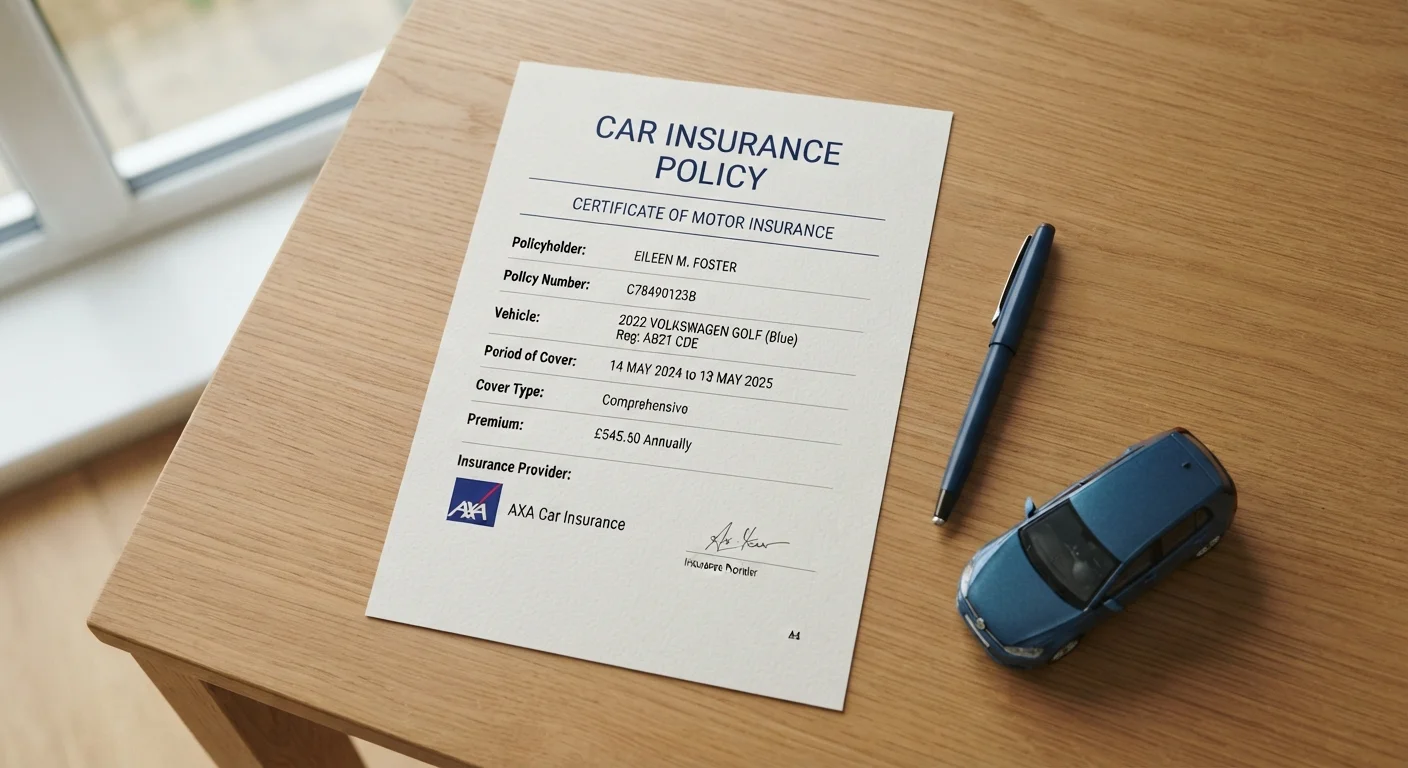
For a broader view of how these optional coverages fit within a full policy, comparing state minimum and full coverage explains what the standard full-coverage package typically includes and excludes.
Common confusion points
Several scenarios trip up drivers who have not reviewed their policies closely.
- A deer or other animal strike is a comprehensive claim, not collision, even though the car physically hits the animal.
- Flood damage from a storm is comprehensive. Damage from driving into a flooded road is also typically comprehensive, though specific policy language varies by insurer.
- If an uninsured driver hits your parked car and leaves, your collision coverage applies to your vehicle's damage (subject to your deductible) if you do not carry uninsured motorist property damage coverage. Gaps like this are one reason drivers find themselves underinsured when a loss occurs.
- Collision coverage does not pay for property damage you cause to someone else's vehicle. That is the function of property damage liability coverage, a separate coverage type explained in detail at auto insurance liability coverage explained.
Reviewing your declarations page, which is the summary section of your policy, tells you exactly which coverages you currently carry, what your deductibles are, and what limits apply. If any terms are unclear, a licensed agent can walk through the specifics with you.
| Criterion | Collision Coverage | Comprehensive Coverage |
|---|---|---|
| What triggers the coverage | Impact with vehicle or object | Non-collision events (theft, weather, fire) |
| Examples of covered events | Rear-end crash, hitting a fence, rollover | Hail, flooding, animal strike, vandalism |
| Deductible required | Yes | Yes |
| Covers injuries | No | No |
| Required by lenders | Commonly yes | Commonly yes |
| Required by state law | No | No |
| Covers other drivers' damage | No (liability does that) | No (liability does that) |
This article is for general informational purposes only and is not personalized insurance or financial advice. Coverage terms, exclusions, and costs vary by insurer and state. Read your actual policy documents and consult a licensed insurance agent for guidance specific to your situation.
The content provided on our blog site traverses numerous categories, offering readers valuable and practical information. Readers can use the editorial team’s research and data to gain more insights into their topics of interest. However, they are requested not to treat the articles as conclusive. The website team cannot be held responsible for differences in data or inaccuracies found across other platforms. Please also note that the site might also miss out on various schemes and offers available that the readers may find more beneficial than the ones we cover.