
Ways Drivers Unintentionally Undermine Their Own Auto Coverage

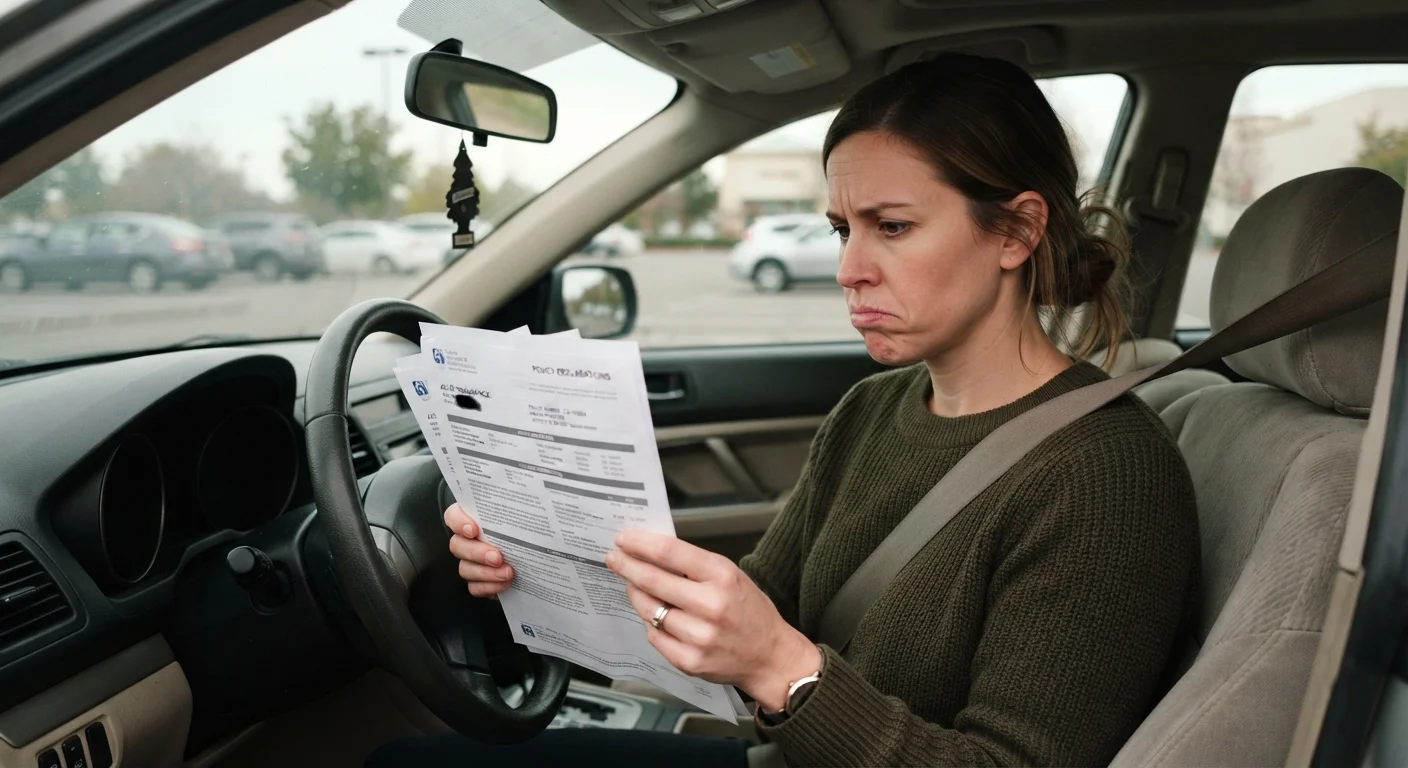
Photo: SmartGlobetrotter.net editorial
Key Takeaways
- Listing the wrong primary driver can void a claim or be treated as material misrepresentation.
- Skipping uninsured motorist coverage leaves you exposed when the at-fault driver has no insurance.
- Letting your policy lapse, even briefly, can raise your future premiums significantly.
- Carrying only state minimum liability limits may not cover the full cost of a serious accident.
- Forgetting to update your policy after a life change can cause coverage gaps you won't see until a claim.
Why these mistakes happen and why they matter
Auto insurance is a legal requirement in nearly every U.S. state, but understanding how a policy actually works is a different matter. Most drivers buy coverage once, tuck the documents away, and assume they are protected. The errors that leave people exposed are rarely dramatic. They tend to be quiet omissions or small decisions made without realizing the downstream consequences.
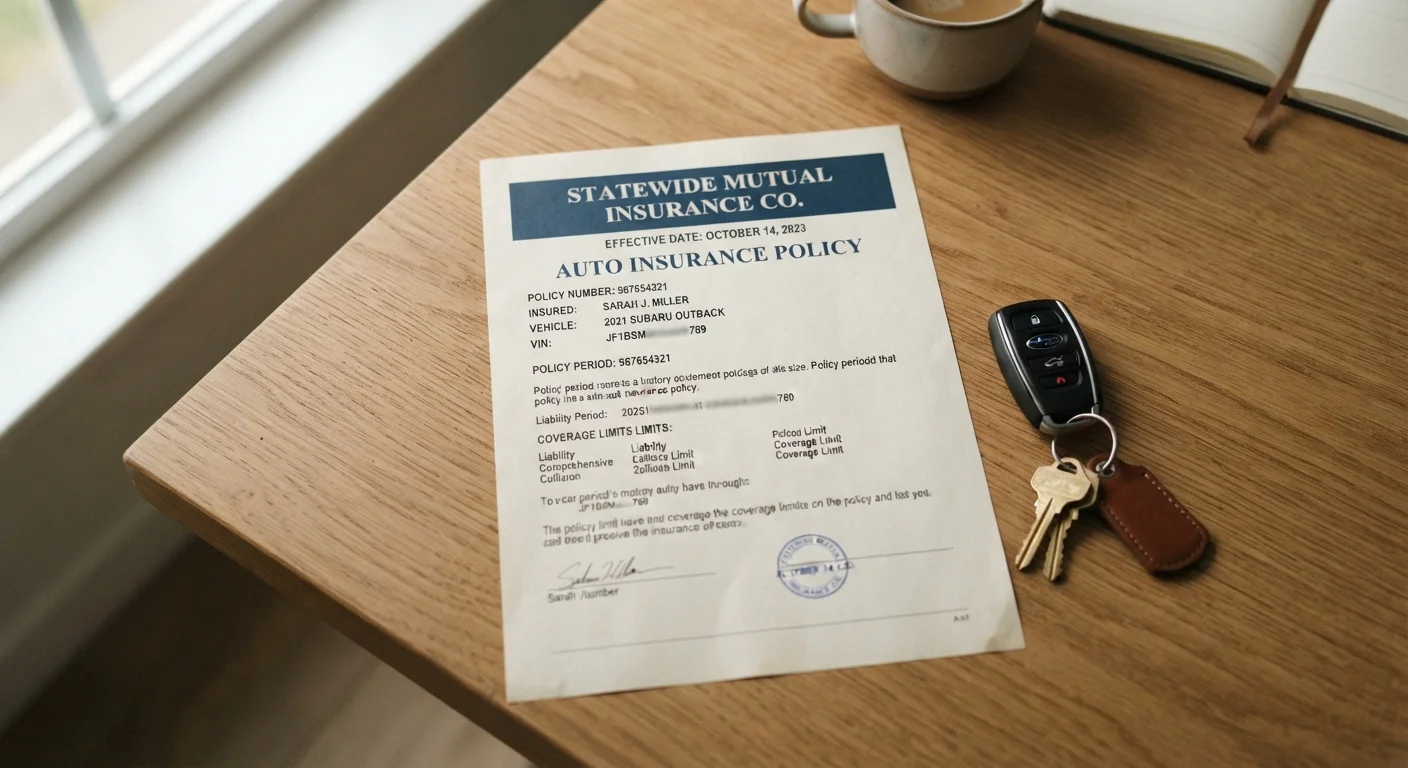
This article covers the most common ways drivers inadvertently weaken their own coverage, explaining why each mistake happens and what to do instead. None of this is personalized insurance or legal advice; coverage terms vary by insurer and by state, so reading your actual policy documents and speaking with a licensed agent matters for your specific situation.
The most common coverage mistakes
The errors below show up repeatedly among drivers at all experience levels. Some involve what you report to your insurer. Others involve what you choose to skip.
Listing the wrong person as the primary driver to get a lower rate.
Carrying only the state minimum liability limits.
Skipping uninsured and underinsured motorist coverage.
Letting a policy lapse before a new one starts.
Forgetting to update the policy after a significant life change.
Choosing a deductible without considering out-of-pocket capacity.
Assuming personal auto coverage extends to business use of the vehicle.
Policy lapses affect more than coverage
Two additional areas where drivers regularly shortchange themselves are optional add-ons and gap coverage. Rental reimbursement and roadside assistance are often dismissed as unnecessary until they are needed. What these add-ons do and when they apply is worth reviewing before finalizing a policy. If you finance or lease a vehicle, how gap insurance works is another area where drivers often discover too late that they lacked protection.
1 in 8
Drivers on U.S. roads without insurance
According to the Insurance Research Council, roughly one in eight U.S. drivers was uninsured in a recent study period, making UM/UIM coverage worth serious consideration.
29%
Drivers carrying only minimum liability
The Insurance Information Institute has reported that a significant share of insured drivers carry only their state's required minimum liability limits.
Misrepresentation can void your claim
Medical costs after an accident are another overlooked area. Personal Injury Protection (PIP) and Medical Payments coverage (MedPay) both address medical expenses, but they function differently and are not available in every state. How PIP and MedPay differ explains what each one covers and when each applies.
For drivers who want to understand how these coverage decisions interact with broader misconceptions in the market, common auto insurance myths that lead to costly surprises addresses beliefs that routinely cause people to misjudge their protection. Similar patterns appear in health insurance; things people get wrong about health insurance shows how the same kind of assumption-driven thinking creates unexpected bills in that context too.
This article is for general informational purposes only and does not constitute personalized insurance, financial, or legal advice. Coverage terms, exclusions, and state requirements vary. Consult a licensed insurance agent or adviser for guidance specific to your circumstances.
The content provided on our blog site traverses numerous categories, offering readers valuable and practical information. Readers can use the editorial team’s research and data to gain more insights into their topics of interest. However, they are requested not to treat the articles as conclusive. The website team cannot be held responsible for differences in data or inaccuracies found across other platforms. Please also note that the site might also miss out on various schemes and offers available that the readers may find more beneficial than the ones we cover.