
What Gap Insurance Is and When It Actually Matters

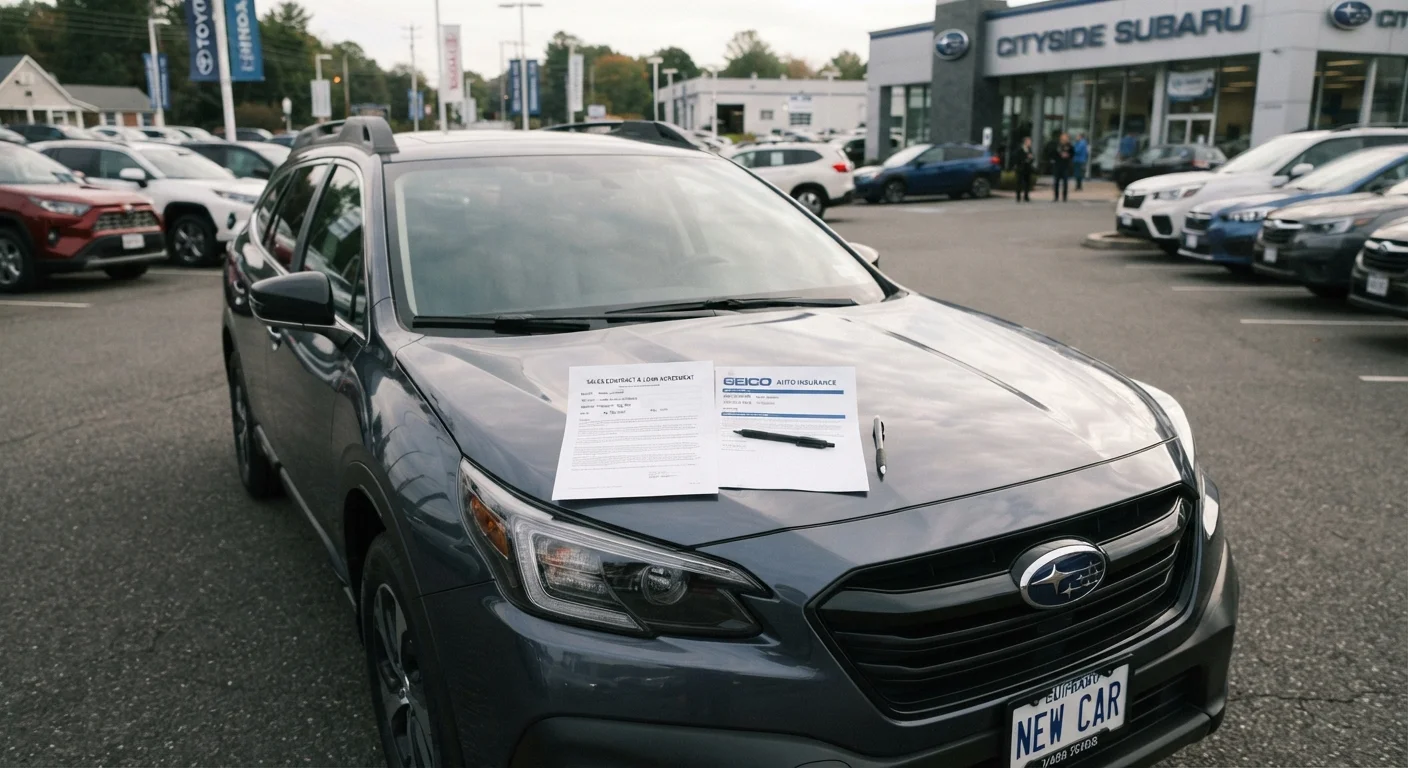
Photo: SmartGlobetrotter.net editorial
Key Takeaways
- Gap insurance pays the difference between a car's actual cash value and the remaining loan or lease balance after a total loss.
- New vehicles depreciate quickly, often losing 15 to 25 percent of value in the first year.
- Gap insurance is most relevant when you finance with a small down payment, take a long loan term, or lease a vehicle.
- Standard collision and comprehensive coverage do not cover any amount you owe above the car's market value.
- Gap coverage is worth comparing carefully because price and terms vary between insurers, lenders, and dealerships.
How depreciation creates the gap
A car's value drops the moment it leaves the lot. In the first year alone, many new vehicles lose a significant portion of their purchase price. A loan, meanwhile, pays down slowly at first because early payments go mostly toward interest rather than principal. The result: for a period of time, the balance you owe can exceed what the car is worth on the open market.
If your vehicle is totaled or stolen during that window, your collision or comprehensive insurer pays actual cash value (ACV), which is the current market price of the car. If that figure is $22,000 but you still owe $27,000 on the loan, you face a $5,000 shortfall. Gap insurance is what covers that amount. For a broader look at how collision and comprehensive fit into the overall picture, see state minimum vs. full coverage.

When gap insurance is worth considering
Not every driver needs gap coverage. It is most relevant under specific financing conditions.
- You financed with less than 20 percent down, meaning depreciation can outpace your equity quickly.
- Your loan term is 60 months or longer, which slows how fast you build equity.
- You are leasing, since you never build equity in the vehicle at all and some lease agreements require gap coverage.
- You rolled negative equity from a previous vehicle into a new loan, starting already upside down.
- You purchased a model known for fast depreciation.
If you paid cash or made a large down payment, the math rarely favors gap coverage because you are unlikely to owe more than the car is worth. Understanding which coverage types you carry overall can reveal blind spots; common coverage mistakes walks through several that drivers often overlook.
Cancel gap coverage when it no longer applies
Where to buy gap insurance and what to watch for
Gap coverage is available through three main channels: your auto insurer, the dealership finance office, and third-party lenders. Dealership gap products can carry higher markups because the cost is folded into your loan, meaning you also pay interest on the premium. Buying directly through an auto insurer is generally more transparent and often less expensive over the life of the policy.
When comparing options, check whether the policy covers the full loan or lease balance, how it defines total loss, and whether it subtracts your deductible before paying the gap. Some policies also cap the payout as a percentage of ACV, which matters if your gap is large. Gap coverage intersects with how your loan itself is structured; secured vs. unsecured loans explains the collateral relationship that makes auto loans a distinct financial product.
Gap insurance is general information, not personalized financial or insurance advice. Coverage terms, eligibility, and costs vary by insurer, lender, and state. Read any policy document carefully and consult a licensed insurance agent to evaluate whether a specific product fits your situation. See also liability coverage explained to understand how liability fits alongside gap and other protections.
This article is for general informational purposes only and does not constitute insurance, financial, or legal advice. Consult a licensed insurance professional for guidance specific to your circumstances.
Frequently Asked Questions
The content provided on our blog site traverses numerous categories, offering readers valuable and practical information. Readers can use the editorial team’s research and data to gain more insights into their topics of interest. However, they are requested not to treat the articles as conclusive. The website team cannot be held responsible for differences in data or inaccuracies found across other platforms. Please also note that the site might also miss out on various schemes and offers available that the readers may find more beneficial than the ones we cover.