
Secured vs. Unsecured Loans: What the Distinction Means for Borrowers

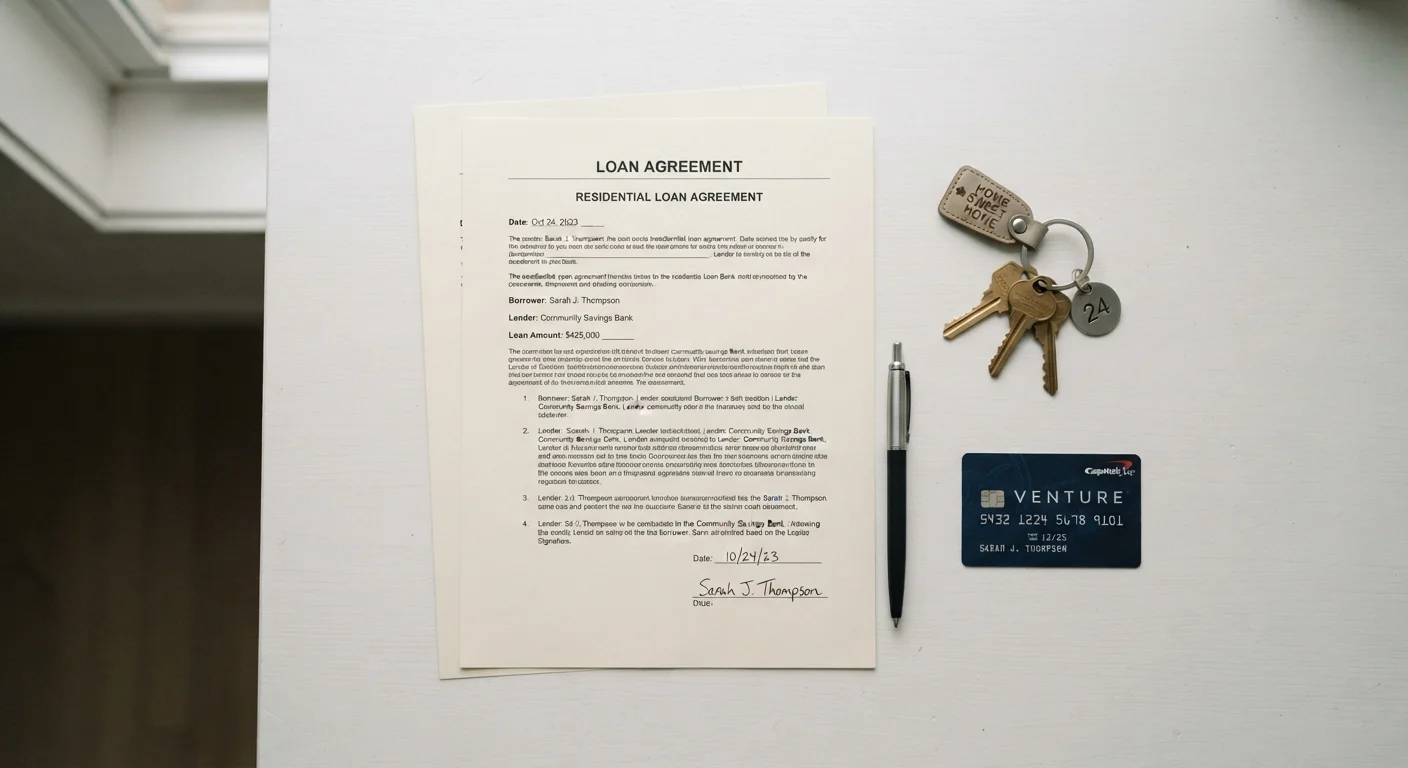
Photo: SmartGlobetrotter.net editorial
Key Takeaways
- Secured loans require collateral, an asset the lender can claim if you stop making payments.
- Unsecured loans carry no collateral requirement but typically come with higher interest rates.
- Your credit history, income, and the loan purpose each influence which type a lender will offer you.
- Defaulting on a secured loan can cost you the asset tied to it, such as your home or vehicle.
- General financial information cannot substitute for advice from a licensed financial professional about your own situation.
What makes a loan secured or unsecured
A secured loan is backed by collateral: a physical asset you own that the lender has the legal right to claim if you fail to repay the debt. Common examples are mortgage loans backed by the home being purchased and auto loans backed by the vehicle. A home equity loan uses the portion of your home's value that exceeds what you owe as the collateral.
An unsecured loan carries no such backing. The lender extends credit based on your creditworthiness, which generally means your credit score, income, debt-to-income ratio, and repayment history. Personal loans, most credit cards, and student loans are typically unsecured.
The presence or absence of collateral shapes nearly every other term attached to the loan: the interest rate, the maximum amount available, and the consequences of missing payments.

How collateral affects cost and access
Because a secured lender has a fallback if you default, the lender accepts less risk and can offer a lower interest rate. A borrower with average credit may qualify for a secured loan at a rate that would be unavailable to them on an unsecured product.
Unsecured lenders take on more risk, so they compensate with higher rates and stricter approval standards. A strong credit profile matters more when no asset is backing the debt. Borrowers with limited credit history or past delinquencies may find unsecured options either unavailable or priced very high.
Loan amounts also differ. Secured loans can reach much larger figures because the collateral limits the lender's exposure. Unsecured personal loans are usually capped at amounts that reflect the lender's confidence in the borrower's ability to repay from income alone.
For a closer look at how interest rate structures work across loan types, see fixed vs. variable interest rates.
Risk profile for the borrower
The most significant difference between secured and unsecured borrowing is where the risk sits for you.
With a secured loan, missing payments can trigger a process that ends with the lender repossessing or foreclosing on the collateral. Falling behind on a mortgage can result in losing your home. Defaulting on an auto loan can lead to repossession of the vehicle. The financial damage extends beyond losing the asset: the default appears on your credit report and can affect your borrowing ability for years.
With an unsecured loan, there is no asset the lender can seize directly through the loan agreement. However, a lender can still pursue the debt through collections or a court judgment, which may eventually allow them to garnish wages or place a lien on property depending on state law. The credit damage from default is equally serious.
| Feature | Secured loan | Unsecured loan | |
|---|---|---|---|
| Collateral required | Yes | No | |
| Typical interest rate | Lower | Higher | |
| Typical loan amounts | Larger | Smaller | |
| Approval criteria | Asset value plus creditworthiness | Creditworthiness alone | |
| Default consequence | Asset repossession or foreclosure | Collections, possible wage garnishment | |
| Common examples | Mortgage, auto loan, home equity loan | Personal loan, credit card, student loan |
Neither loan type is free of consequences for non-payment. The difference is in how quickly and directly a lender can recover what is owed.
Choosing between the two types
The practical question is whether pledging an asset makes sense for the amount you need and the rate difference you would gain. If you own a home, a home equity loan may give you access to a lower rate on a large sum, but it ties your home to the debt. If the purpose is a smaller, shorter-term need and you have a solid credit profile, an unsecured personal loan avoids that exposure.
Your credit score can open or close options. A high score makes unsecured borrowing more affordable. A lower score may make a secured loan the only way to access a reasonable rate, provided you have an eligible asset.
Loan terms in financial agreements can be complex. Key terms in financial agreements explained covers APR, origination fees, and other details worth understanding before you sign.
This article is for general informational purposes only and does not constitute personalized financial, legal, or investment advice. Consult a licensed financial professional before making borrowing decisions based on your own circumstances.
The content provided on our blog site traverses numerous categories, offering readers valuable and practical information. Readers can use the editorial team’s research and data to gain more insights into their topics of interest. However, they are requested not to treat the articles as conclusive. The website team cannot be held responsible for differences in data or inaccuracies found across other platforms. Please also note that the site might also miss out on various schemes and offers available that the readers may find more beneficial than the ones we cover.