
Fixed vs. Variable Interest Rates: Choosing the Right Fit for Your Loan

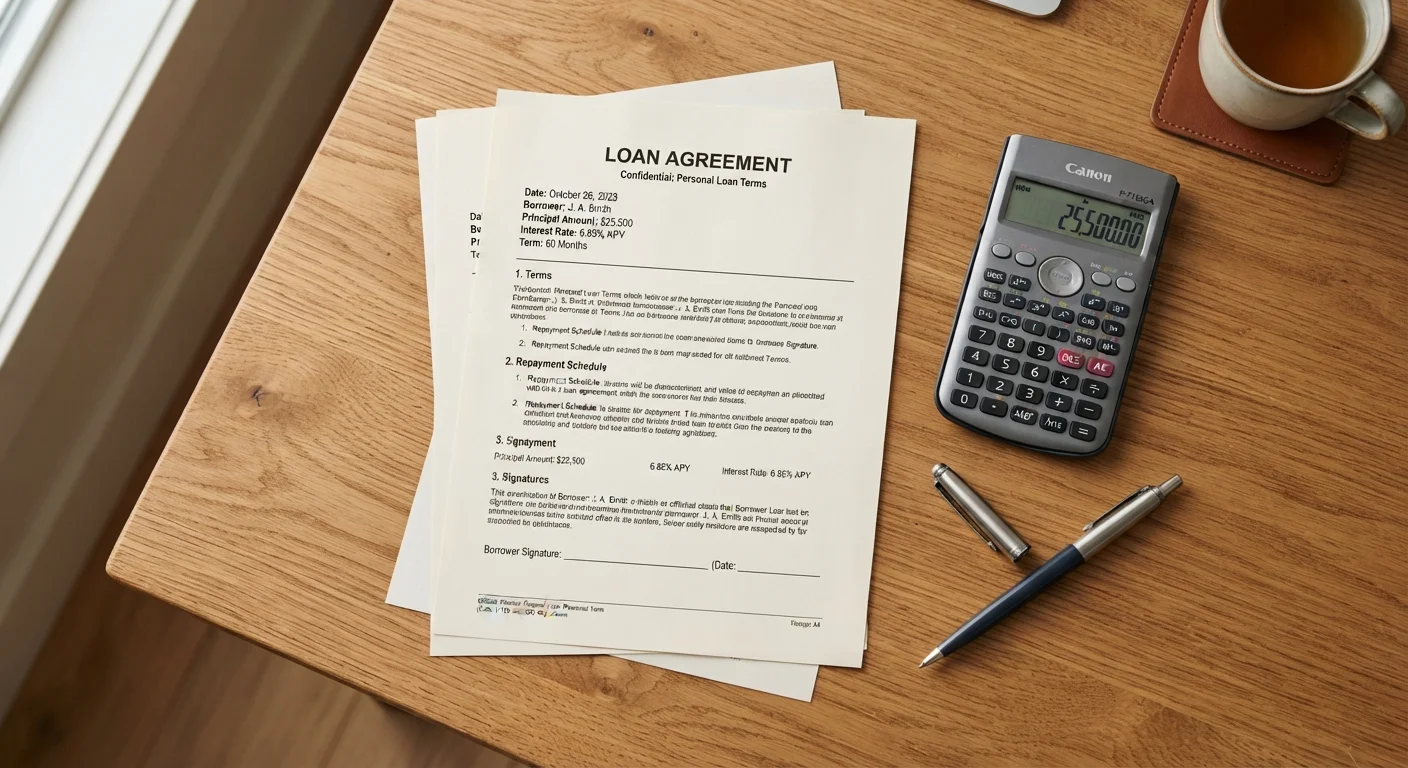
Photo: SmartGlobetrotter.net editorial
Key Takeaways
- A fixed rate never changes, so your payment amount stays the same throughout the loan term.
- A variable rate is tied to a benchmark index and can move up or down over time.
- Fixed rates often start higher than variable rates, but they remove uncertainty from your budget.
- Variable rates carry the risk that payments increase if the benchmark index rises.
- Your loan term, budget flexibility, and the current rate environment all affect which type makes more sense.
- Always read the full loan agreement and consult a licensed financial professional before committing.
How each rate type works
When a lender quotes you an interest rate on a loan, that rate can be structured in one of two ways: fixed or variable.
A fixed interest rate is set at the time you borrow and does not change for the duration of the loan. Whether you take out a 30-year mortgage or a 3-year personal loan, the percentage you agreed to on day one is the percentage applied to every payment until the balance reaches zero.
A variable interest rate (also called an adjustable rate) is tied to a benchmark index, such as the Secured Overnight Financing Rate (SOFR) or the prime rate. Your lender adds a fixed margin on top of that index to arrive at your rate. When the index moves up or down, your rate and monthly payment move with it. Most variable-rate loans specify how often the rate can adjust (for example, monthly or annually) and may cap how much it can change in a single period or over the life of the loan.

For a fuller picture of how rates fit into the overall cost of borrowing, see what an annual percentage rate actually tells you about a loan.
Side-by-side comparison
The table below contrasts fixed and variable rates across the factors that matter most when you are weighing a loan decision.
| Criterion | Fixed rate | Variable rate |
|---|---|---|
| Rate stability | Constant for loan life | Changes with index |
| Starting rate | Often higher at origination | Often lower at origination |
| Payment predictability | Same every period | Can rise or fall |
| Risk of rate increase | None | Present throughout loan |
| Best loan term fit | Long-term borrowing | Short-term borrowing |
| Budget planning | Straightforward | Requires flexibility |
| Rate caps | Not applicable | Usually included in agreement |
One point worth noting: a variable rate that starts lower than a fixed rate is not automatically the less expensive option. If rates rise significantly before you finish repaying, the total interest you pay can exceed what you would have paid under a fixed structure.
What affects which type makes sense for you
Loan term is one of the most direct factors. On a short loan (say, 12 to 36 months), the rate has less time to move, so starting with a lower variable rate carries less risk. On a long loan, even modest rate increases compound over many payment cycles and can meaningfully raise your total cost.
Your budget flexibility also matters. If a payment increase of even a few percent would strain your finances, a fixed rate removes that uncertainty. If you have room to absorb fluctuation, a variable rate may be worth considering.
The current rate environment shapes the starting point for both types. When benchmark rates are already high, variable rates may be priced with the expectation that they could fall, making them relatively attractive. When benchmark rates are low, locking in a fixed rate before potential increases has its own logic. Neither direction is guaranteed.
For borrowers comparing loan structures alongside the broader question of collateral and risk, how secured and unsecured loans differ provides useful context.
How rate caps work on variable loans
Reading your loan agreement before you sign
Before accepting any loan, check the agreement for the rate type, the index used (for variable loans), the margin added to that index, any rate caps, and the adjustment frequency. These details determine how much your payments could change and by how much.
The same document will include terms like APR, origination fees, and prepayment penalties that affect the true cost. A plain-language breakdown of those terms is available in key terms in financial agreements explained.
If you own or are considering buying a home, rate type also comes up in mortgage decisions. the financial trade-offs between renting and owning covers how long-term borrowing costs factor into that choice.
This article is for general informational purposes only and does not constitute personalized financial, investment, or legal advice. Loan terms, rates, and eligibility vary by lender and individual circumstances. Consult a licensed financial professional before making borrowing decisions.
The content provided on our blog site traverses numerous categories, offering readers valuable and practical information. Readers can use the editorial team’s research and data to gain more insights into their topics of interest. However, they are requested not to treat the articles as conclusive. The website team cannot be held responsible for differences in data or inaccuracies found across other platforms. Please also note that the site might also miss out on various schemes and offers available that the readers may find more beneficial than the ones we cover.