
Liability Coverage in Auto Insurance: What It Pays For and What It Doesn't

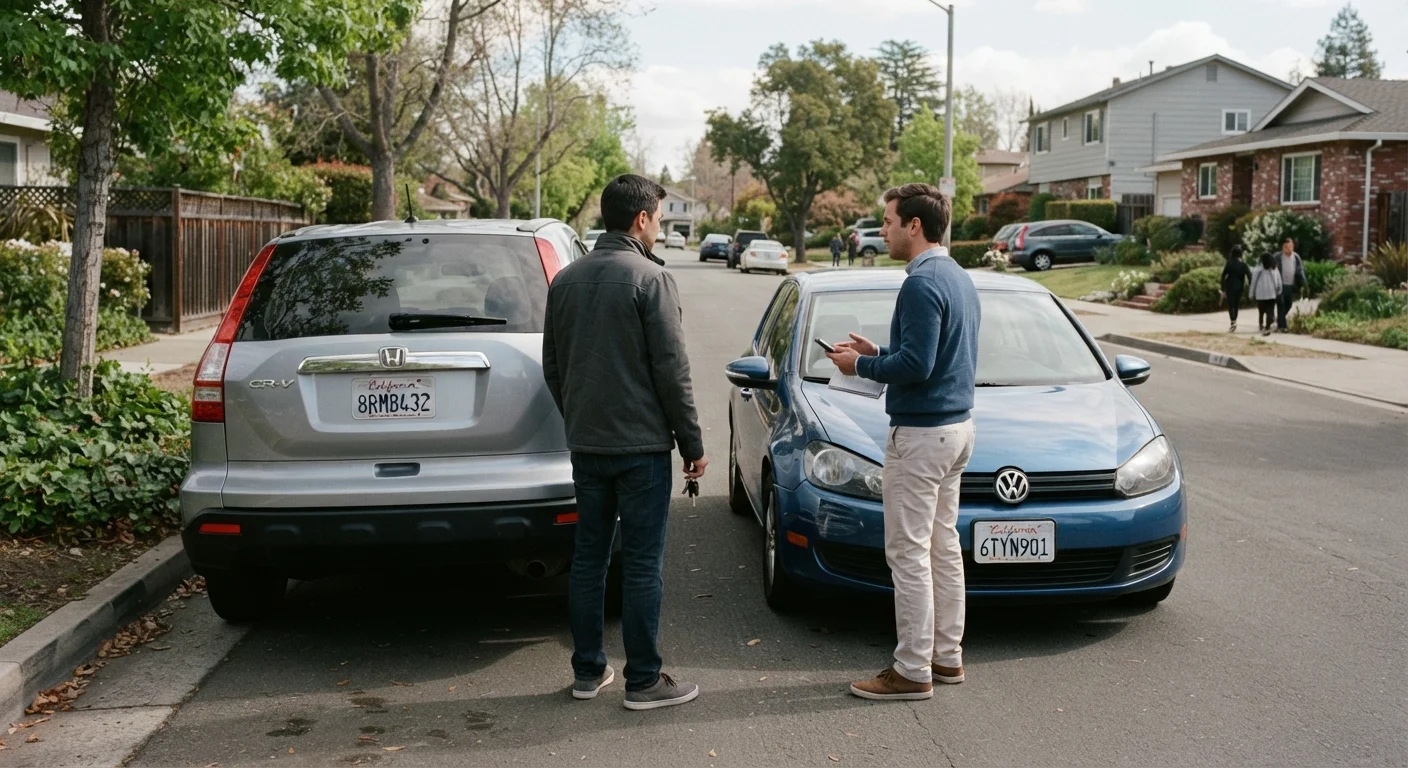
Photo: SmartGlobetrotter.net editorial
Key Takeaways
- Liability coverage pays others, not you, when you are at fault in an accident.
- Every state except New Hampshire requires some minimum level of liability coverage.
- State minimums are often lower than what a serious accident can cost, leaving a gap you pay out of pocket.
- Liability does not cover your vehicle repairs, your medical bills, or damage from another driver who hits you.
- Bodily injury and property damage are the two distinct parts of a standard liability policy.
The two parts of liability coverage
Auto liability coverage has two distinct components, and each one pays for something different.
Bodily injury liability covers medical expenses, lost wages, and legal costs for people you injure in an accident where you are at fault. This includes occupants of other vehicles and pedestrians. It does not cover your own injuries or those of your passengers.
Property damage liability pays to repair or replace another person's vehicle or other property you damage. If you run into a fence, a parked car, or a storefront, this is the coverage that responds. It does not pay to fix your own vehicle.
These two components appear on your policy declarations page as dollar limits. A policy written as 25/50/25 means $25,000 per injured person, $50,000 per accident for all injured parties combined, and $25,000 for property damage. Once those limits are exhausted, any remaining costs fall to you personally.
For repairs to your own car, you would need collision or comprehensive coverage, which are separate from liability entirely.
What liability does not cover
Drivers sometimes assume liability coverage protects them in all accident scenarios. It does not.
- Your own vehicle damage after an at-fault accident is not covered. Collision coverage handles that.
- Your own medical bills are not covered. Medical payments coverage (MedPay) or personal injury protection (PIP) fills that role. See how they compare in this overview of PIP vs. medical payments coverage.
- Damage caused by an uninsured or underinsured driver hitting you is not covered by your liability policy. Uninsured motorist coverage is a separate add-on.
- Theft, weather damage, or hitting an animal are not liability events. Comprehensive coverage addresses those scenarios.
A related misconception is that carrying any insurance means you are fully protected. Common auto insurance myths can lead drivers to believe they have more coverage than they actually do, so reading your policy documents carefully matters.

State minimums and why they may not be enough
Each state sets a floor for how much liability coverage drivers must carry. These minimums vary widely. Some states require as little as $10,000 in property damage liability per accident. A single newer vehicle can cost far more to replace.
49 of 50
States requiring minimum liability coverage
According to the Insurance Information Institute, all states except New Hampshire mandate some level of liability insurance for registered drivers.
$24,000+
Average bodily injury liability claim cost
The Insurance Research Council has reported average bodily injury liability claims regularly exceeding $20,000, a figure that continues to rise with medical inflation.
Medical costs can reach tens or hundreds of thousands of dollars in a serious accident. If your bodily injury limit is $25,000 per person and the injured party's bills total $80,000, you are responsible for the $55,000 difference. That amount can be pursued through your wages or assets.
This is why many licensed insurance agents suggest carrying limits above the state minimum, particularly if you own a home or have savings. The right amount depends on your individual financial picture, and a licensed agent can help you think through the options.
If you finance or lease a vehicle, your lender may also require specific liability limits as a condition of the loan, on top of collision and comprehensive requirements. You can read more about related protections in this explanation of gap insurance.
This article is for general informational purposes only and is not personalized insurance or legal advice. Coverage terms, exclusions, and state requirements vary by provider and location. Read your policy documents carefully and consult a licensed insurance agent for guidance on your specific situation.
Frequently Asked Questions
The content provided on our blog site traverses numerous categories, offering readers valuable and practical information. Readers can use the editorial team’s research and data to gain more insights into their topics of interest. However, they are requested not to treat the articles as conclusive. The website team cannot be held responsible for differences in data or inaccuracies found across other platforms. Please also note that the site might also miss out on various schemes and offers available that the readers may find more beneficial than the ones we cover.