
Rental Reimbursement and Roadside Assistance: The Add-Ons Worth Understanding


Photo: SmartGlobetrotter.net editorial
Key Takeaways
- Rental reimbursement pays for a temporary vehicle when your car is being repaired after a covered claim.
- Roadside assistance covers on-the-spot help like towing, jump-starts, and lockouts, but it does not pay for repairs.
- Both add-ons carry per-day or per-incident limits, and claims outside those limits become your expense.
- Neither add-on replaces the core coverages that pay for vehicle damage or injuries.
- Whether each add-on makes sense depends on your driving habits, existing memberships, and financial situation.
What rental reimbursement actually covers
When your car goes into the shop after a covered insurance claim, rental reimbursement pays for a substitute vehicle while yours is being repaired. The word 'covered' matters here: if the repair follows a claim your insurer accepts (such as a collision or a comprehensive loss), the add-on activates. It does not pay for a rental while you wait for routine maintenance or for a loss that falls outside your policy.
Policies set two limits: a daily maximum and a total maximum per claim. A typical structure might be $30 per day up to $900 per claim. If your rental runs $45 per day, the extra $15 each day comes out of your pocket. Repair timelines also vary, and some policies cap the number of covered days rather than just the dollar amount.
Rental reimbursement is worth considering if you rely on your vehicle daily and a covered repair would leave you without transportation. Drivers who have easy access to alternative transport, or who have the savings to cover a short-term rental, may find the add-on less necessary. For background on the core coverages that trigger the rental benefit, see how collision and comprehensive coverage differ.
What roadside assistance covers
Roadside assistance pays for on-site emergency services when your vehicle cannot move under its own power. Common services include towing to the nearest repair facility, battery jump-starts, flat tire changes using your spare, fuel delivery when you run out of gas, and lockout service when keys are locked inside.
What it does not cover is the repair itself. If your car is towed to a shop, roadside assistance stops at the tow. Parts, labor, and any other repair costs are separate.
Policies usually specify a towing distance limit (often 10 to 15 miles) and may cap the dollar amount per service call. A tow beyond that limit requires you to pay the overage. Some policies also limit the number of service calls per policy period.
Before adding this coverage, check whether you already have comparable protection through a motor club membership, a credit card benefit, or a vehicle manufacturer program. Carrying two sources of the same benefit is a common overlap that drivers overlook, similar to the hidden costs described in overlooked household expenses.
Check for duplicate coverage before adding on
How to think about whether each add-on fits your situation
No single answer applies to every driver. The value of each add-on depends on your circumstances. A driver who commutes long distances daily and cannot work from home has more to lose from a vehicle being in the shop for a week than someone who works remotely. A driver who already pays for a roadside club membership would be paying twice for the same service.
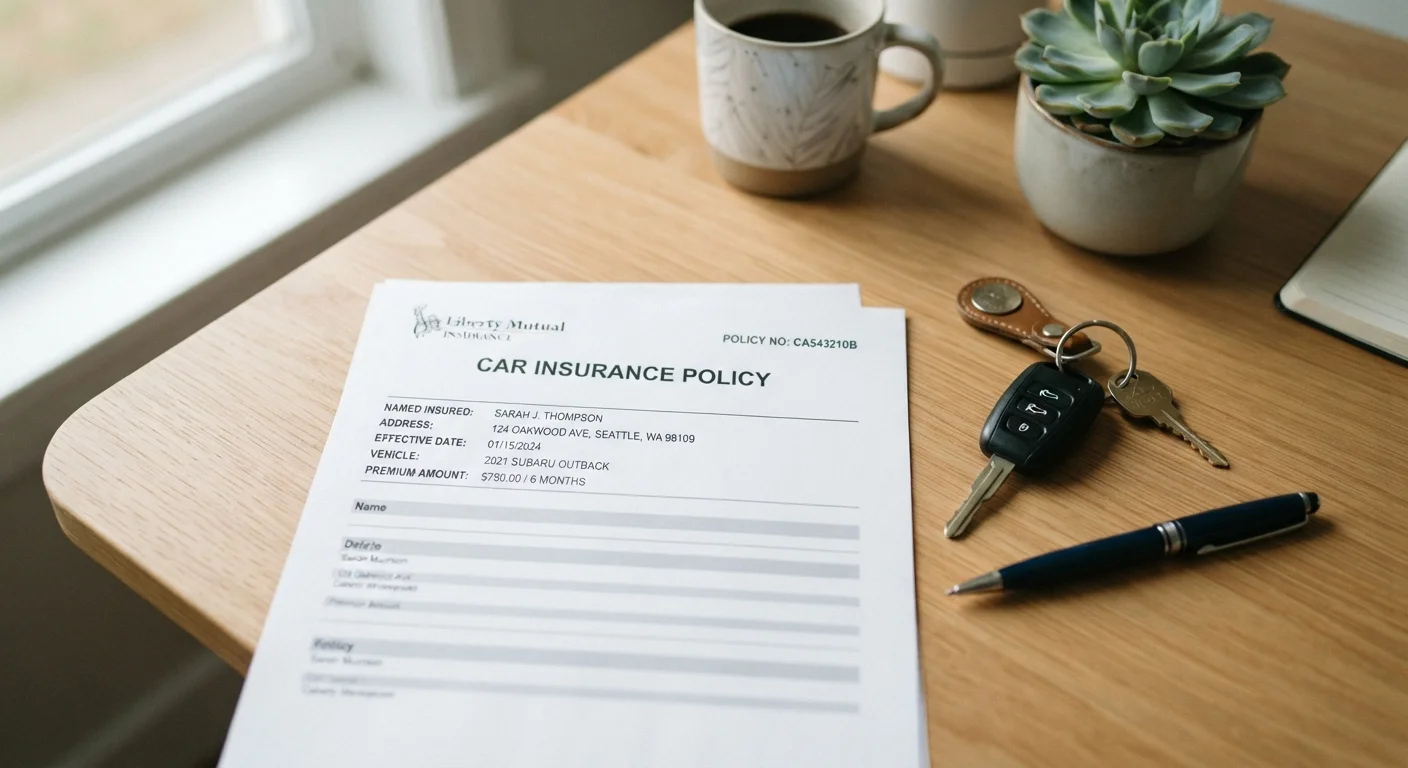
When reviewing your policy, pull the declarations page and look at the premium for each optional coverage. Compare that annual cost against how often you would realistically use the benefit and what the out-of-pocket alternative would be. That comparison gives you a practical basis for a decision, without relying on guesswork.
Common policy mistakes can also affect whether your add-ons apply when you need them. Coverage missteps drivers often make explains several errors that leave policyholders exposed despite paying for coverage.
This article is for general informational purposes only and does not constitute personalized insurance, financial, or legal advice. Coverage terms, limits, and availability vary by insurer and state. Review your actual policy documents and consult a licensed insurance agent for guidance specific to your situation.
Frequently Asked Questions
The content provided on our blog site traverses numerous categories, offering readers valuable and practical information. Readers can use the editorial team’s research and data to gain more insights into their topics of interest. However, they are requested not to treat the articles as conclusive. The website team cannot be held responsible for differences in data or inaccuracies found across other platforms. Please also note that the site might also miss out on various schemes and offers available that the readers may find more beneficial than the ones we cover.