
Why Two Drivers With Clean Records Can Pay Vastly Different Premiums

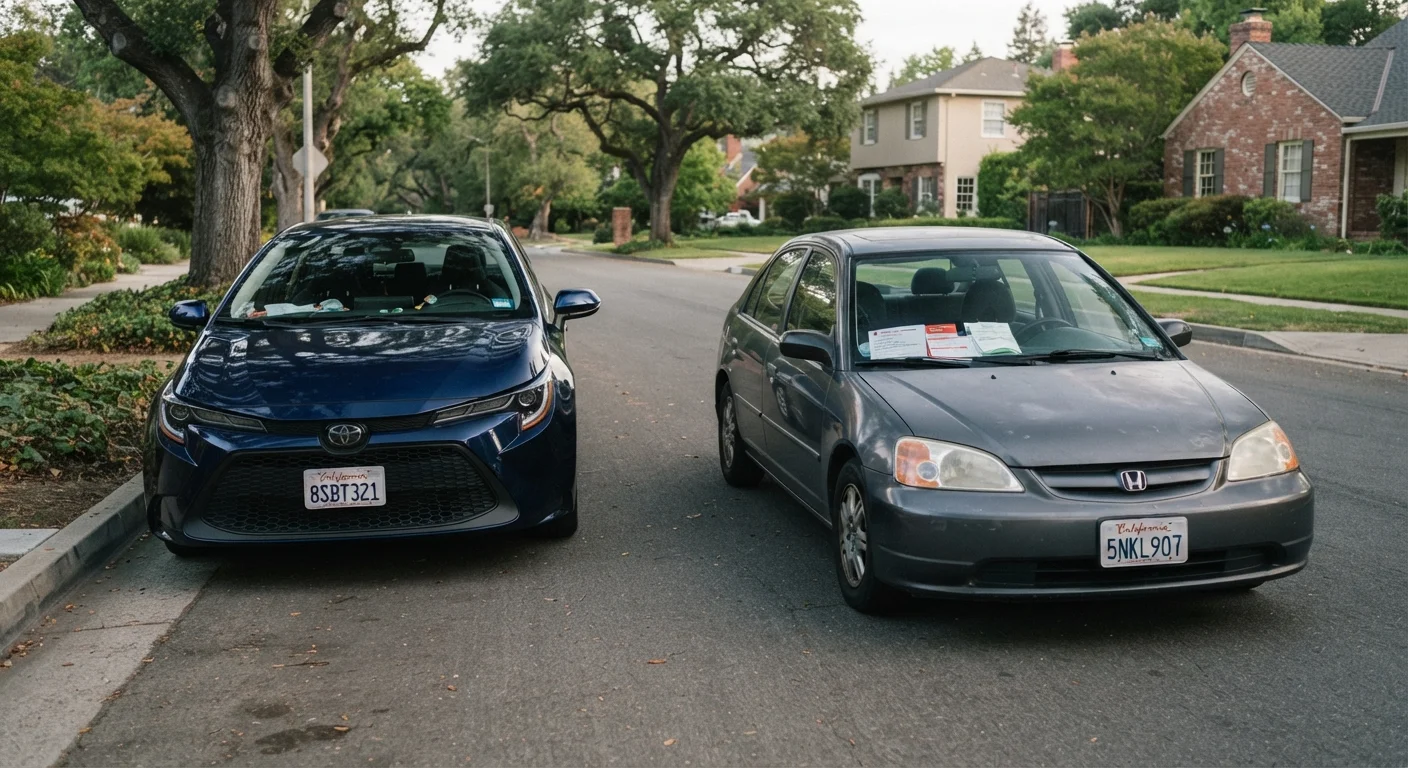
Photo: SmartGlobetrotter.net editorial
Key Takeaways
- A clean driving record lowers your rate, but it is only one of many factors insurers consider.
- Where you live, what you drive, and how you use your vehicle all affect the price you pay.
- Credit-based insurance scores are used in most states and can significantly move your premium.
- Your deductible choice and the coverage levels you select also shape your final cost.
- Understanding these factors helps you compare quotes more accurately before choosing a policy.
Why a clean record is just the starting point
Many drivers assume that avoiding accidents and traffic violations guarantees a low premium. A clean record does help, but insurers do not stop there. They assemble a profile of each driver and vehicle using a set of rating factors, each of which can push a price higher or lower independently of driving history.
This matters when you are comparing quotes across providers. Two companies can look at the same driver and arrive at different numbers because they weight these factors differently. Understanding what goes into the calculation puts you in a better position to read those quotes accurately.
The factors that move your premium
Age and experience. Insurers treat younger drivers, typically those under 25, as statistically higher-risk because their crash rates are higher as a group. Rates generally fall through a driver's mid-20s and remain relatively stable through middle age, then may rise again for drivers in their late 70s or beyond as reaction time and vision become factors.
Location. Your ZIP code tells an insurer a great deal about local accident frequency, auto theft rates, weather patterns, and the cost of medical care and vehicle repair in your area. A driver in a densely populated city often pays more than one in a rural county, even with an identical record and vehicle.
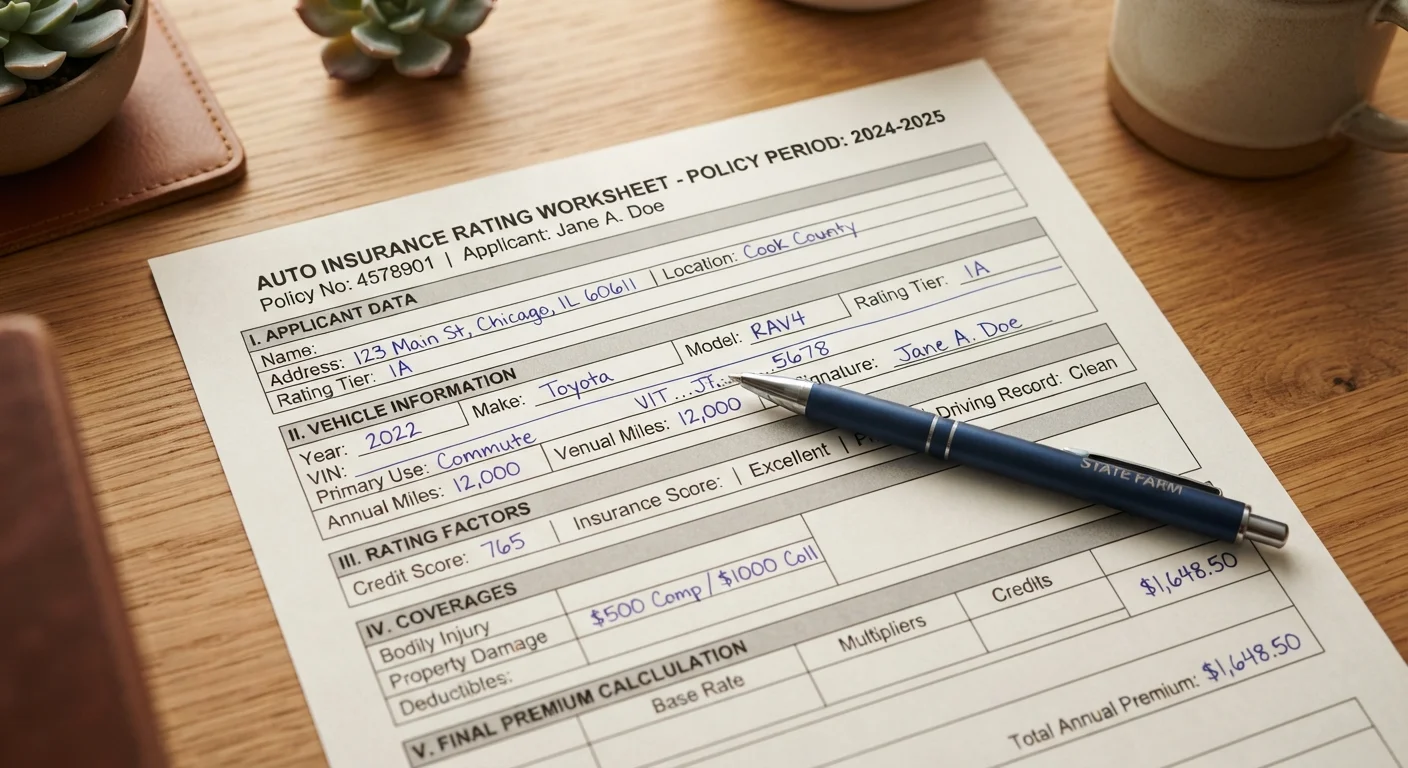
The vehicle itself. A car that costs more to repair or replace will cost more to insure for collision and comprehensive coverage. Vehicles with strong safety ratings and widely available parts can cost less. Sports cars and high-performance models typically carry higher rates because of repair costs and the driving behavior they statistically attract. For a clearer picture of how collision and comprehensive coverage work together, see how collision and comprehensive differ.
Annual mileage and vehicle use. More time on the road means more exposure to potential accidents. Drivers who commute long distances or use a personal vehicle for business purposes face higher premiums than those who drive infrequently for personal trips.
Credit-based insurance score. In most U.S. states, insurers calculate a credit-based insurance score from information in your credit file. This score is not identical to the score a lender sees, but it draws on similar data. States including California, Hawaii, and Massachusetts prohibit or restrict this practice, so its effect depends on where you live.
Request the same coverage levels from every insurer
Coverage levels and deductibles. The coverage types you choose and the limits you set directly change your premium. Selecting higher liability limits or adding uninsured motorist protection raises the cost, while choosing a higher deductible lowers it. For detail on that trade-off, see how auto insurance deductibles work.
What this means when you compare policies
Because each insurer weights rating factors differently, collecting multiple quotes for the same coverage levels is the only reliable way to see where your specific profile lands in each company's model. A factor that raises your rate significantly with one insurer may matter far less to another.
It also helps to know which factors you can influence over time. Improving a credit-based insurance score, completing an approved defensive driving course, or shifting to a lower-mileage vehicle are all changes that can affect a future premium. Factors like age and location shift more slowly or not at all.
Misunderstanding how premiums are built can lead to poor comparisons. Common auto insurance myths around vehicle color, relationship status, and personal auto covering business use can cause drivers to focus on the wrong things. Separately, certain policy gaps, such as skipping uninsured motorist protection, can leave real exposure even when a premium looks attractively low; mistakes drivers make with their coverage covers those situations in more depth.
This article is for general informational purposes only and does not constitute personalized insurance, financial, or legal advice. Coverage terms, rating practices, and regulations vary by state and provider. Read your policy documents carefully and consult a licensed insurance agent for guidance specific to your situation.
Frequently Asked Questions
The content provided on our blog site traverses numerous categories, offering readers valuable and practical information. Readers can use the editorial team’s research and data to gain more insights into their topics of interest. However, they are requested not to treat the articles as conclusive. The website team cannot be held responsible for differences in data or inaccuracies found across other platforms. Please also note that the site might also miss out on various schemes and offers available that the readers may find more beneficial than the ones we cover.