
Subscription Fatigue: Auditing and Simplifying Your Household Plans

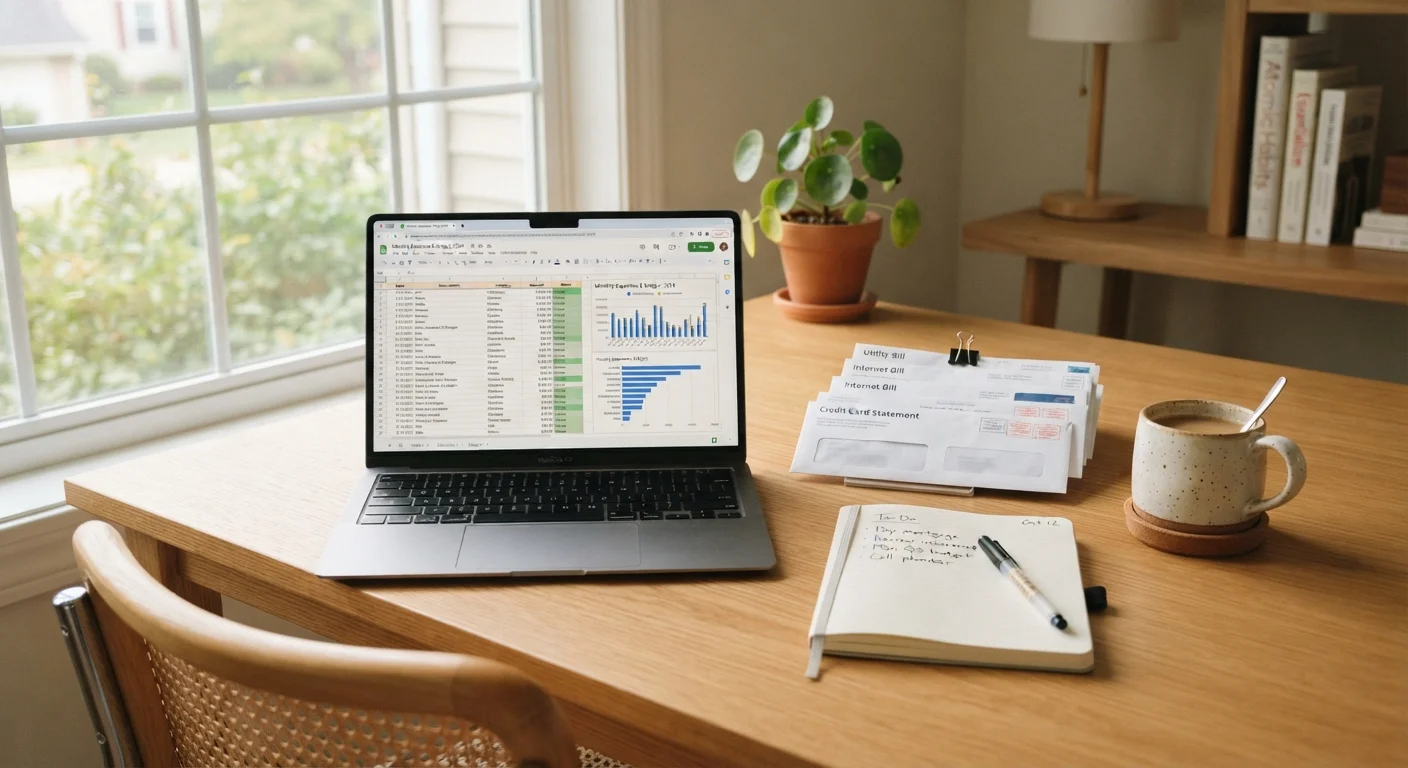
Photo: SmartGlobetrotter.net editorial
Key Takeaways
- Recurring charges spread across multiple accounts are easy to miss without a dedicated review.
- Canceling unused subscriptions does not always stop the charge; confirm cancellation in writing.
- Annual plans often auto-renew without a reminder, so tracking renewal dates matters.
- Bundling overlapping services can reduce total monthly cost without losing coverage.
- A simple spreadsheet is enough to track every active plan and its renewal date.
Why recurring charges add up quietly
Most households carry more recurring charges than they realize. A streaming plan added during a free trial, a fitness app downloaded and forgotten, a security monitoring plan that doubled in price after the first year: each charge is small on its own. Together, they can represent a meaningful slice of a monthly budget.
The problem is structural. Subscriptions are designed to renew automatically, and many providers send no reminder before the charge posts. When plans are spread across different payment methods and email accounts, no single statement shows the full picture.
This checklist walks through a complete household subscription audit. It covers where to look, what to record, and how to decide what to keep. For broader guidance on monthly spending, see building a budget that holds up month to month.

Checklist: auditing your household subscriptions
Work through these steps in one sitting if possible. Having your bank statements, email inbox, and payment app history open at the same time speeds up the process considerably.
Gather your records
Build your subscription inventory
Evaluate usage and value
Take action and confirm
Bank and credit card statements
The primary source for identifying every recurring charge across your accounts.
Email search
Surfaces subscription receipts and renewal notices that may not appear clearly on card statements.
Spreadsheet or budgeting app
Tracks all active subscriptions, costs, payment methods, and renewal dates in one place.
Payment app transaction history
Catches recurring authorized payments processed through digital wallets rather than directly through a card.
What to do with what you find
Once you have a complete list, sort it by whether you have used the service in the past 30 days. Plans you have not touched are the first candidates for cancellation. For services you use occasionally, check whether a lower tier or a pay-per-use option exists.
Watch for overlap. If two plans cover the same function, for example two separate cloud storage subscriptions, one can likely go. Bundling home services is worth considering when two or more providers you already use offer a combined plan at a lower rate.
After canceling, verify the cancellation. Log the confirmation number or screenshot the confirmation email. Some providers require a follow-up step, such as returning equipment, before the billing actually stops.
Free trials convert to paid plans automatically
Record every active plan in a single document with its monthly or annual cost, payment method, and next renewal date. Review that document every three to four months. A year-end financial checklist is a natural time to do a deeper pass. For a look at the broader spending patterns that erode a budget, see habits that quietly undermine a household budget.
This article is for general informational purposes only and is not financial advice. Consult a qualified financial professional for guidance specific to your situation.
The content provided on our blog site traverses numerous categories, offering readers valuable and practical information. Readers can use the editorial team’s research and data to gain more insights into their topics of interest. However, they are requested not to treat the articles as conclusive. The website team cannot be held responsible for differences in data or inaccuracies found across other platforms. Please also note that the site might also miss out on various schemes and offers available that the readers may find more beneficial than the ones we cover.