
Common Misconceptions About Homeowners Insurance Coverage

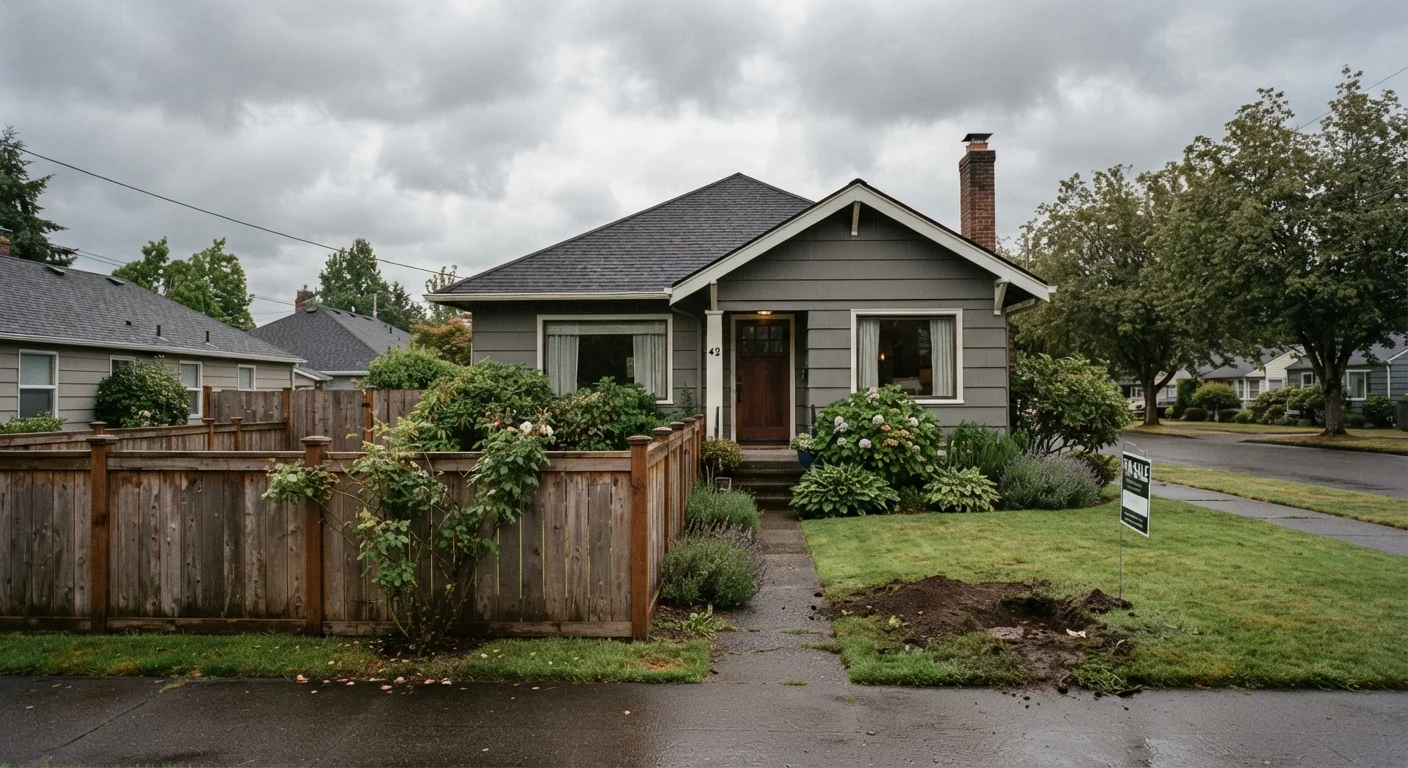
Photo: SmartGlobetrotter.net editorial
Key Takeaways
- Standard homeowners insurance does not cover flood damage; a separate flood policy is required.
- Mold remediation is usually excluded unless it results directly from a covered peril.
- Actual cash value and replacement cost value are two different payout methods with very different outcomes.
- Home-based business equipment and liability are generally not covered under a personal homeowners policy.
- Policy limits, not replacement costs, determine how much an insurer pays after a loss.
Why these gaps surprise so many homeowners
Homeowners insurance is one of the most widely held financial products in the country, yet many policyholders have a limited understanding of what their policy actually covers. The mismatch between assumed coverage and actual policy language is not a small inconvenience. It can leave households facing tens of thousands of dollars in uninsured losses after a fire, storm, or theft.
This article addresses the most common misconceptions about standard homeowners policies. For context on how homeowners insurance differs from other home-related protections, see Home Warranty vs. Homeowners Insurance: Understanding the Difference. Insurance misconceptions are common across product types; similar patterns appear in health and auto coverage, as covered in Things People Get Wrong About Health Insurance That End Up Costing Them.
~90%
Homeowners without flood insurance
FEMA estimates that only about 4% of U.S. homeowners carry flood insurance, leaving the vast majority unprotected against flood losses.
$13,000+
Average mold remediation cost
According to HomeAdvisor cost data, professional mold remediation in a home can range from roughly $1,500 to over $30,000 depending on the extent of growth.
1 in 20
Homeowners file a claim each year
The Insurance Information Institute reports that approximately one in 20 insured homes has a claim in a given year, with wind and hail being the most common cause.
Common myths and what policies actually say
The myths below come from misreadings of policy language, assumptions carried over from other insurance products, and advice passed along without verification. Each one can have real financial consequences.
Myth
Homeowners insurance covers flood damage from storms or rising water.
Fact
Standard homeowners policies exclude flood damage. Coverage for flooding requires a separate flood insurance policy, typically through the National Flood Insurance Program (NFIP) or a private insurer.
Many homeowners discover this gap only after a storm surge, overflowing river, or heavy rainfall causes water to enter their home. The word "water" in a policy does not mean all water events are covered. Standard policies typically cover sudden, accidental discharge from interior sources, such as a burst pipe, but not water that originates outside the home and enters due to flooding.
The Federal Emergency Management Agency (FEMA) administers the NFIP, which offers flood coverage to homeowners in participating communities. Private flood insurance is also available and may offer higher coverage limits. If your property sits in or near a designated flood zone, your mortgage lender may require a separate flood policy.
Myth
Mold damage is always covered because it often follows water damage.
Fact
Mold coverage depends on the cause. If mold results from a covered peril like a burst pipe, some policies may contribute to remediation costs. Mold from long-term moisture, poor ventilation, or neglected leaks is typically excluded.
Insurers generally consider mold that develops slowly over time to be a maintenance issue rather than a sudden loss, and maintenance issues are not covered. Homeowners who notice early signs of moisture, such as condensation around windows or discoloration on walls, are expected to address the problem before it worsens.
Some policies include limited mold remediation coverage as an endorsement, meaning it is added for an additional premium. Check your policy's exclusions section and ask your agent whether a mold endorsement is available in your state.
Myth
Your insurer will pay to rebuild your home at its current market value.
Fact
Payouts are based on either actual cash value or replacement cost value, as stated in your policy. Neither figure automatically matches the home's real estate market value.
Actual cash value (ACV) accounts for depreciation. If your ten-year-old roof is destroyed, an ACV policy pays what that aged roof is worth today, not what a new one costs. Replacement cost value (RCV) pays the cost to rebuild or replace with materials of similar kind and quality, without depreciation applied.
Market value includes the land your home sits on and reflects buyer demand in your area, neither of which is what an insurer is replacing. Insuring your home for its replacement cost, not its sale price, is the relevant figure. An independent appraisal or a replacement cost estimator from your insurer can help you set an appropriate coverage limit.
Myth
A home-based business is covered under a standard homeowners policy.
Fact
Most standard policies exclude or severely limit coverage for business equipment, inventory, and liability connected to a home-based business.
If a client visits your home office and is injured, or if business equipment such as computers or tools is stolen, a standard policy may provide little or no protection for those losses. The liability and property coverage in a personal homeowners policy is written for residential use.
Homeowners who run a business from their home can explore a home business endorsement, an in-home business policy, or a separate commercial policy depending on the scale of their operation. The right option depends on revenue, the nature of the business, and whether clients visit the property.
Myth
All of your personal belongings are fully covered, no matter their value.
Fact
Personal property coverage has overall limits and, critically, sub-limits for specific categories like jewelry, firearms, art, and electronics.
A standard policy might cover personal property up to 50% to 70% of your dwelling coverage limit, but high-value items are capped at much lower amounts regardless of that overall limit. Jewelry, for example, is commonly capped at $1,500 for theft, even if your overall personal property limit is $100,000.
A scheduled personal property endorsement, sometimes called a floater, allows you to list high-value items individually and insure them at their appraised value. This typically requires a recent appraisal or receipt. Keeping a documented home inventory with photos and receipts makes the claims process more straightforward and helps confirm coverage needs.

Check exclusions before a loss occurs
What to do with this information
Closing a coverage gap starts with reading your current policy, particularly the exclusions section and the declarations page, which summarizes your coverage limits and deductibles. If your policy uses actual cash value instead of replacement cost, ask your insurer what it would cost to add replacement cost coverage.
Homeowners who run a business from home, own high-value personal property, or live in a flood-prone area should ask their insurer specifically about endorsements or separate policies that address those exposures. Out-of-pocket costs for uncovered losses also connect to the broader picture of household expenses covered in Hidden Household Costs Most Renters and Homeowners Overlook.
Property taxes are another area where homeowners sometimes have gaps in understanding. A Homeowner's Introduction to Property Taxes covers how assessments work and what can change them. For those researching auto coverage gaps alongside home coverage, Auto Insurance Myths That Can Lead to Costly Surprises addresses common misunderstandings in that area.
This article is general information, not insurance advice
This article provides general information about homeowners insurance concepts and is not a substitute for personalized advice from a licensed insurance professional. Coverage terms, exclusions, and availability vary by insurer, policy, and state. Always read your policy documents and consult a licensed agent for guidance specific to your situation.
The content provided on our blog site traverses numerous categories, offering readers valuable and practical information. Readers can use the editorial team’s research and data to gain more insights into their topics of interest. However, they are requested not to treat the articles as conclusive. The website team cannot be held responsible for differences in data or inaccuracies found across other platforms. Please also note that the site might also miss out on various schemes and offers available that the readers may find more beneficial than the ones we cover.