
Fixed-Rate vs. Variable-Rate Utilities: What Households Should Know

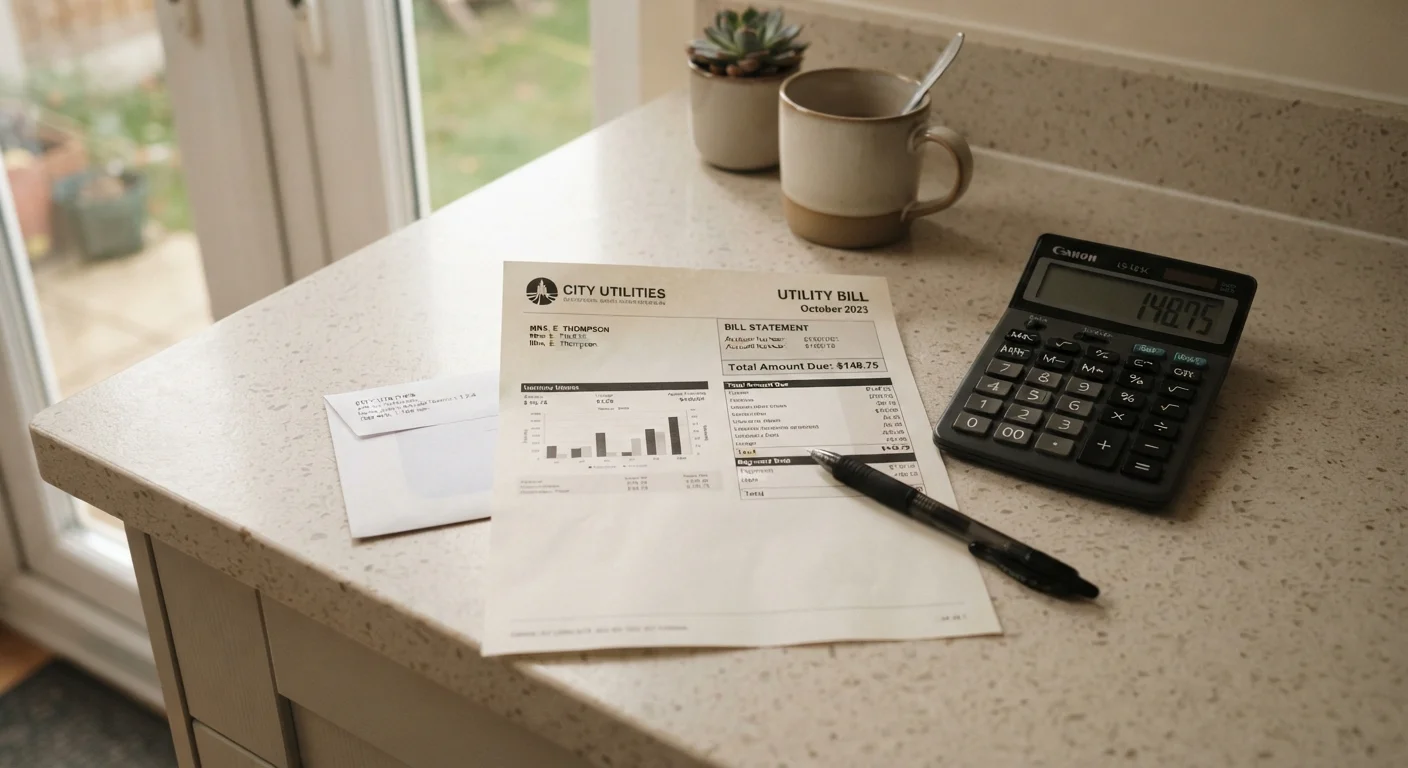
Photo: SmartGlobetrotter.net editorial
Key Takeaways
- Fixed-rate utility plans charge the same rate per unit regardless of market conditions.
- Variable-rate plans can rise or fall with wholesale energy prices, affecting monthly costs.
- Contract terms and cancellation fees vary widely and deserve careful review before enrolling.
- Your local utility market determines whether you can choose between rate types at all.
- Neither plan type guarantees lower costs; each carries a different kind of financial risk.
How utility rate structures work
In deregulated energy markets, many U.S. households can choose a retail electricity or natural gas supplier rather than accepting the default utility rate. Those suppliers generally offer two pricing structures: fixed-rate and variable-rate plans.
A fixed-rate plan locks in the price per kilowatt-hour (kWh) of electricity or per therm of natural gas for the length of the contract, typically 6 to 24 months. The rate does not change even if wholesale energy costs rise or fall during that period.
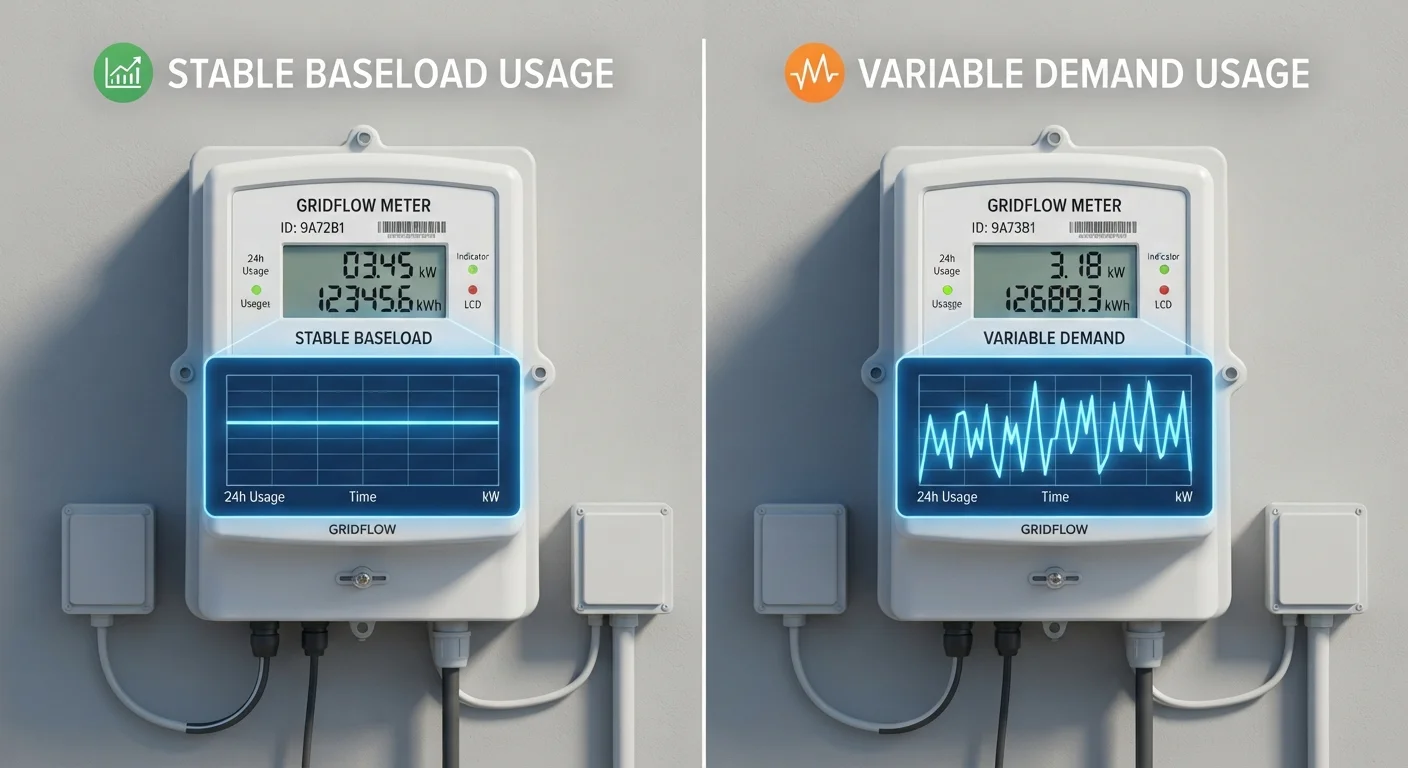
A variable-rate plan has no locked price. The supplier adjusts the rate monthly (sometimes more frequently) based on wholesale market prices, supply conditions, and the supplier's own margin. Bills can drop during mild weather or periods of low demand, and they can increase sharply when demand surges.
Regulated markets, where a single utility serves all customers, often have their own rate adjustment mechanisms set by a state public utilities commission. Even without a deregulated supplier choice, it is worth understanding how the rate on your bill is calculated.
Fixed-rate plans: predictability with trade-offs
The main draw of a fixed rate is budget stability. A household paying 11 cents per kWh today will pay 11 cents per kWh in month seven of the contract, regardless of what natural gas markets do over winter.
That predictability has a cost. Suppliers price fixed-rate contracts to account for the risk they absorb. When wholesale prices fall well below the locked rate, the household continues paying the higher contracted price. Early termination fees are common and can run from $50 to several hundred dollars depending on the contract.
Fixed-rate contracts also expire. When a contract ends without renewal, many suppliers automatically roll households onto a variable rate or a new fixed rate at current market pricing. Missing that renewal window is one of the hidden household costs that catches people off guard.
| Fixed-rate plan | Variable-rate plan | |
|---|---|---|
| Price stability | Rate locked for contract term | Rate changes monthly with market |
| Cancellation fee | Common; often $50 to $200+ | Rare; usually none |
| Contract length | Typically 6 to 24 months | Month-to-month |
| Benefit when prices drop | No; household pays locked rate | Yes; rate may decrease |
| Risk when prices spike | None during contract | Full exposure to market increase |
| Switching flexibility | Limited until contract ends | High; can switch with short notice |
Variable-rate plans: flexibility and exposure
Variable-rate plans have no lock-in period and typically no cancellation fee, so a household can switch suppliers or plans with relatively short notice. That flexibility matters if market prices drop significantly or if the household moves.
The exposure is real, however. During the February 2021 winter storms in Texas, some customers on variable-rate retail electricity contracts saw per-kWh prices spike to multiples of their normal rate for several billing cycles. That event is an extreme example, but it illustrates the risk clearly: when supply tightens and demand spikes, variable rates move fast and households absorb the increase immediately.
Comparing variable-rate plans is harder than comparing fixed-rate ones because future pricing is unknown. A home energy audit report can at least clarify how much energy your household consumes, which tells you how much any given rate change will affect your bill in dollar terms.
What to check before choosing a plan
Before enrolling in any retail energy plan, review the Electricity Facts Label (EFL) or equivalent disclosure document your state requires. It lists the rate structure, contract length, cancellation fees, and any monthly service charges that apply regardless of usage.
- Compare the all-in price per unit, not just the advertised rate. Some plans have low per-kWh rates but add fixed monthly fees that raise the effective cost for average-usage households.
- Check whether the fixed rate applies to all usage or only within a usage band. Some contracts charge a higher rate above or below a set threshold.
- Ask how and when the supplier notifies customers of rate changes on variable plans, and whether there is a cap on how much the rate can change in a single billing period.
- Confirm the contract end date and the auto-renewal terms. Set a calendar reminder at least 30 days before expiration.
Households managing multiple recurring charges can apply the same review process to other services. The subscription audit framework covers how to track and evaluate recurring household plans systematically.
This article is for general informational purposes only and does not constitute financial or legal advice. Utility market rules, plan availability, and consumer protections vary by state. Consult your state public utilities commission or a licensed energy advisor for guidance specific to your situation.
The content provided on our blog site traverses numerous categories, offering readers valuable and practical information. Readers can use the editorial team’s research and data to gain more insights into their topics of interest. However, they are requested not to treat the articles as conclusive. The website team cannot be held responsible for differences in data or inaccuracies found across other platforms. Please also note that the site might also miss out on various schemes and offers available that the readers may find more beneficial than the ones we cover.